


Menopausal Hair Loss Why It Happens and What You Can Do
Menopause is a stage of life that brings many changes, and for so many women, one of the hardest to face is hair loss. Hot flushes, night sweats, mood changes – we expect those. But when our hair starts to thin, it can come as a shock.
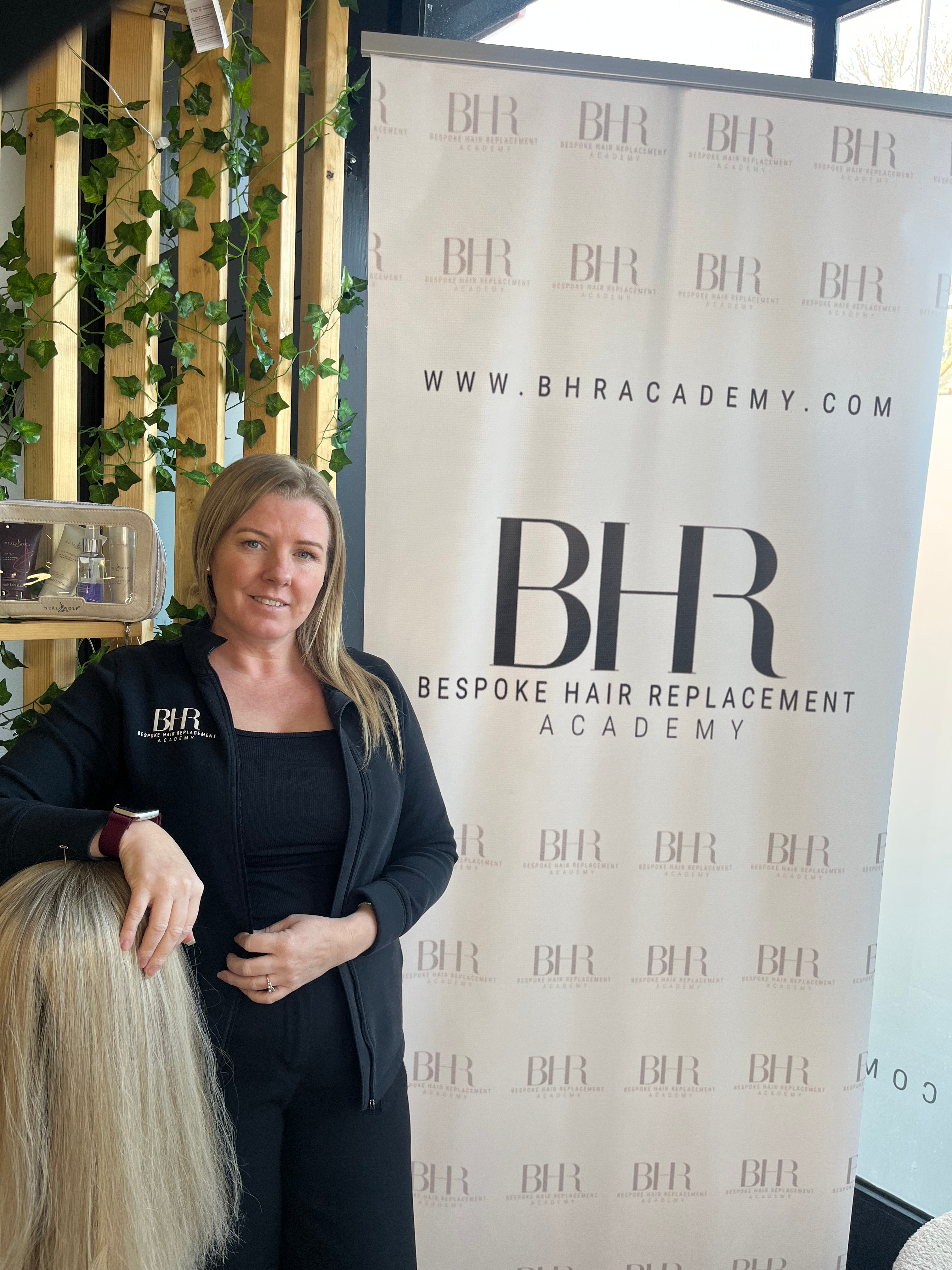
I know this personally, as I’m also going through menopause. The changes in my own hair made me understand on a deeper level how emotional this journey can be. It’s not just about the strands we see in the brush – it’s about confidence, identity, and feeling like ourselves.
If you’re experiencing thinning hair in menopause, you’re not alone. Let’s look at why it happens, what can help slow it down, and when it might be time to consider supportive solutions like hair toppers or hair integration systems.
Why does menopausal hair loss happen?
The main reason is hormonal changes. As oestrogen and progesterone levels drop, the hair growth cycle is affected. These hormones usually help hair stay thick, grow faster, and remain in place for longer. Without them, hair can shed more easily and feel weaker.
At the same time, testosterone becomes more dominant, which can shrink hair follicles and cause finer, thinner hair growth. Stress, lack of sleep, and changes in nutrition can also add to the problem – all common during menopause.
How can we help slow down menopausal hair loss?
While we can’t completely stop menopausal hair loss, there are supportive steps that may help:
Eat for your hair A diet rich in protein, iron, vitamin D, and omega-3 gives your body the building blocks for stronger hair.
Look after your scalp Gentle exfoliation or massage can boost circulation and encourage growth.
Handle with care Avoid tight hairstyles, harsh chemicals, and excess heat which can all make fragile hair break more easily.
Support your body Stress management, good sleep, and exercise all contribute to healthier hair. Even a daily walk can make a difference.
Every woman is unique, so finding the right balance of lifestyle changes and self-care is key.
When is it time to explore hair loss solutions?
Sometimes lifestyle changes aren’t enough, and that’s okay. If hair loss is affecting your self-esteem, it may be time to explore non-surgical hair loss solutions for women.
A clip-in topper can add instant volume and coverage on days when you want a boost.
A hair integration system can blend seamlessly with your natural hair if thinning is more advanced.
These options aren’t about vanity. They’re about restoring confidence and giving you the freedom to get back to living your life without worrying about your hair.
The emotional side of menopausal hair loss
Beyond the physical changes, menopausal hair thinning can be incredibly emotional. Many women describe feelings of sadness, frustration, and even grief. That’s completely normal.
As someone experiencing these changes myself, I want you to know it’s okay to feel this way. Talking about it, sharing experiences, and seeking support can make the journey easier. You are not alone in this.
Final thought
Menopause is natural, but the impact of menopausal hair loss is often overlooked. By understanding why it happens, knowing what you can do to help, and exploring gentle hair solutions if you need them, you can take back a sense of control.
Most of all, remember this: you deserve to feel comfortable and confident in your own skin and in your own hair at every stage of life.
At BHR we can help you. We have decades of experience in the hair loss industry and can provide tailored hair loss solutions for our customers.
For more information click here to be redirected to our website and contact details.
Keywords: menopausal hair loss, mesh hair systems, female hair systems, hair toppers.
Comments